
Beauty, Truth, and Goodness
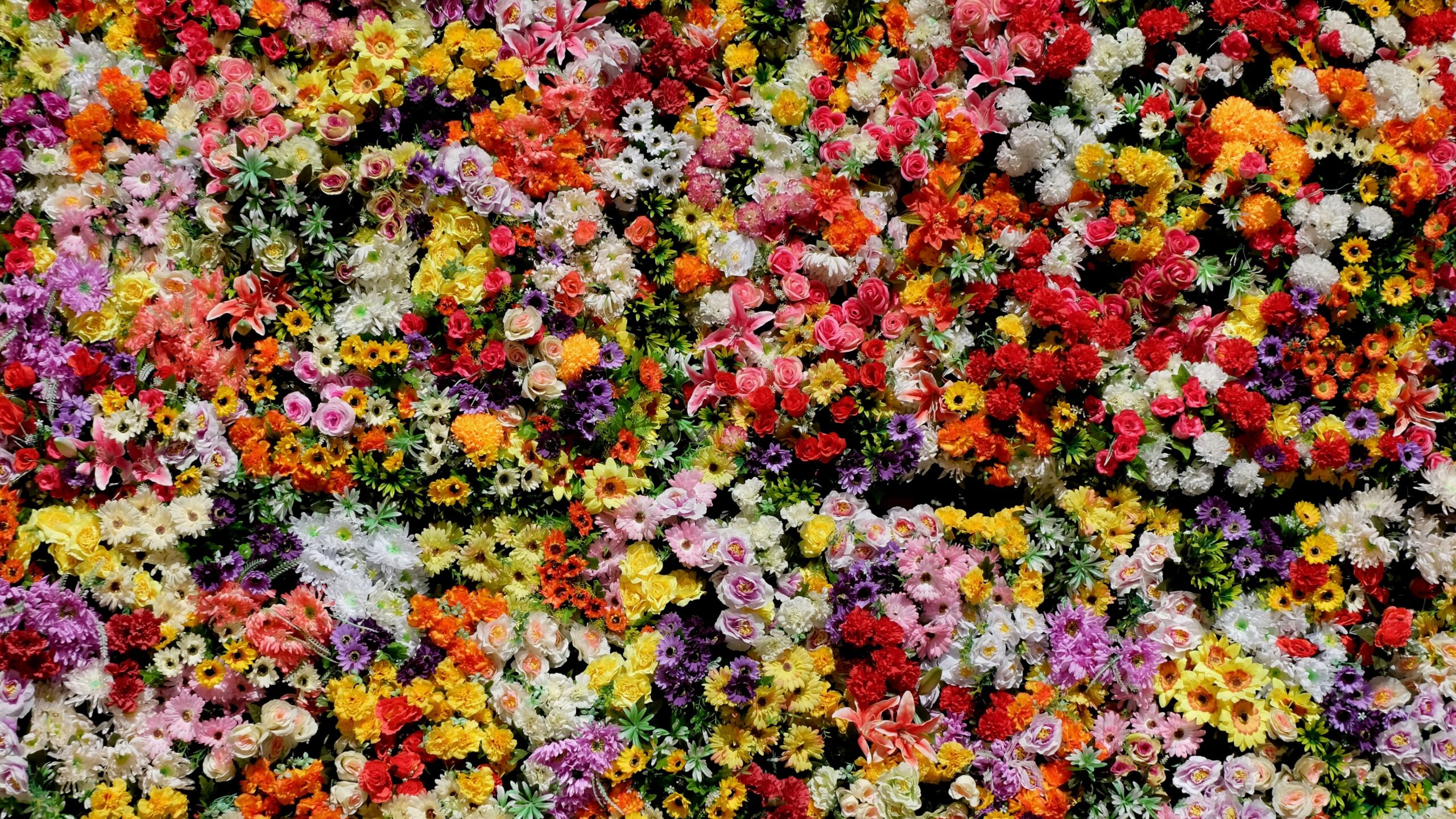
Photo Credit: Julien Chatelain on Unsplash
Disclosure: This post may contain affiliate links, meaning Beautiful Christian Life LLC may get a commission if you decide to make a purchase through its links, at no cost to you.
In 1997 a movie came out called Life Is Beautiful. It tells the story of a family that is placed in a concentration camp by the Nazis during World War II. The father and son are separated from the mother, and the father manages somehow to hide his little boy so that the Nazi guards have no idea of his existence. The father has the gift of seeing beauty—and creating it—in all the ordinary circumstances of life. He persuades his son that they are playing a game in the concentration camp in order to protect him from the atrocities taking place all around him. It’s a poignant movie with a heartening message: we can find beauty wherever we are, even in the worst of circumstances. This should especially be the case when it comes to the Christian life.
God has set it in our hearts to desire beauty.
Humans are geared toward beauty. Don’t believe me? Just check out magazine covers in the grocery store, popular Instagram accounts, and famous tourist spots around the world. You’re likely to find one thing in common with them all: beauty. This is one reason we are so enthralled with viewing creation and photographing it. We want to capture the tremendous beauty we see at that moment in time and archive it so we can remember it in the future.
Wanting to be near beauty, to have beauty be a part of us, is a good thing. God has set it in our hearts to desire beauty. It’s not only okay to enjoy beauty, but it’s also what God created us to do. God is beauty, and he made us to enjoy him.
Beauty, truth, and goodness are inextricably connected.
In the book of Psalms in the Bible, we learn how to find—and hold onto—true beauty. The psalmist declares:
One thing have I asked of the Lord, that will I seek after: that I may dwell in the house of the Lord all the days of my life, to gaze upon the beauty of the Lord and to inquire in his temple. (Ps. 27:4)
The Hebrew word for beauty in this verse is נֹ֫עַם (noam; HALOT, p. 706), and it refers specifically to God’s kindness, which includes God’s goodness, purity, and truthfulness. In a chapel sermon titled, “Will Beauty Save the World?,” Albert Mohler explains,
The Christian worldview posits that anything pure and good finds its ultimate source in the self-existent, omnipotent God who is infinite in all his perfections. Thus the Christian worldview reminds us that the “transcendentals”—the good, the true, and the beautiful—are inseparable. Thus when Psalm 27 speaks of the beauty of the Lord, the Psalmist is also making a claim about the goodness of the Lord and the truthfulness of the Lord. While we distinguish God’s attributes from one another in order to understand them better, we must also recognize that these attributes are inseparable from one another.
According to Jonathan King in his book, The Beauty of the Lord: Theology as Aesthetics,
A classical way the transcendentals of truth, goodness, and beauty are characterized is that in the true the intellect is at rest, and in the good the will is at rest, but in the beautiful both intellect and will together are at rest. (p. 30)
When we seek to find delight in anything apart from God and his will for us, we cannot expect to find beauty, truth, and goodness in those things.
We find beauty in acts of love that glorify God.
Thus, we observe beauty not only in things we see but actions as well. When someone does a kind deed, we think, “How beautiful that is!” If you have ever observed someone reaching out to help a person in distress due to illness, calamity, or evil acts, you are witnessing beauty.
While driving home one day, I was waiting at a stop sign and saw a woman pushing a disabled young man in a wheelchair. It was raining, and the woman had to push the wheelchair and hold an umbrella over the young man’s head at the same time. I felt both sadness and a sense of awe as I watched the pair cross the street.
There is something about these selfless acts of kindness that touches our souls deeply. This is beauty in action—when we observe it, we sense that we are viewing something greater than ourselves. It is almost as though we are coming near holy ground. Human acts of love direct our gaze to the greatest and most beautiful act of love ever—God giving himself on the cross so that we would be beautiful with him forever.
The beauty of the Christian life is a testimony to the world until Christ’s return.
The refracted beauty we find in this world will never satisfy us fully, and we will always yearn for something we can’t attain in the here and now. In his Summa Theologica, Thomas Aquinas asserts that “final and perfect happiness can consist in nothing else than the vision of the Divine Essence,” and “that man is not perfectly happy, so long as something remains for him to desire and seek” (Summa Theologica, 1-2.3.8). And the only desired object that can stop our seeking is nothing less than the beatific vision of God.
In a world where it’s an ever-growing struggle to persuade people that objective truth and morality actually exist, perhaps, as a friend of mine, pastor Rob Novak, remarked, “If we can show people first that Christianity is beautiful, then they may be willing to consider if it is true and good.”
We are in the middle of God’s story now. Ecclesiastes 3:11 states that God “has made everything beautiful in its time,” and that “everything” includes us, his children, his workmanship created in Christ Jesus. Bringing beauty to our churches, homes, and communities is what God created us to do in this world—and it is a witness to the Holy Spirit’s sanctifying work in our lives as Christians, as well as a witness to the faith we seek to share with others.
This article is adapted from “The Reason Why God Is the Beauty We All Seek” and was also featured in Beautiful Christian Life’s March 2025 newsletter, “Beauty.”
Related Articles:
- The True Beauty of Jesus Christ
- Beauty That Never Fades
- Finding Courage by Gazing upon Christ’s Beauty — Psalm 27
- The Reason Why God Is the Beauty We Seek
- Beauty and the Christian Life
- Beauty in the Christian Life: Diversity and Unity
- About the Author
- Latest Posts

Le Ann Trees is a writer, editor, speaker, wife, mom, and grandma. She is the former managing editor of White Horse Inn’s Core Christianity website and Bible studies and the former dean of women for Westminster Seminary California from where she also earned a Master of Arts in Theological Studies in 2014. Le Ann is managing editor of Beautiful Christian Life.
